For conservation experts
Health screenings for ground squirrels!
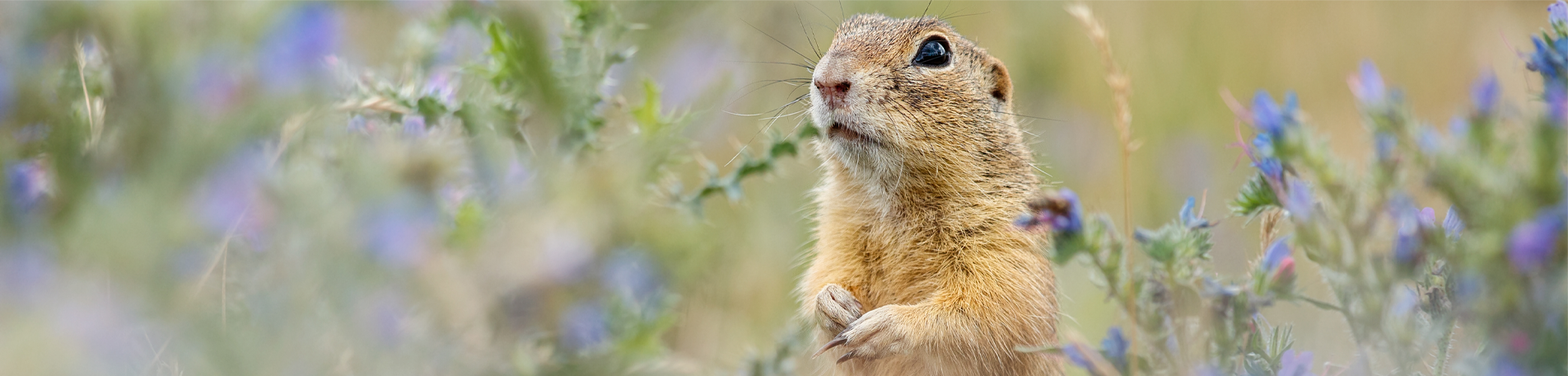
One of the primary tasks of the CitellusLIFE ground squirrel conservation program is to assess the health status of ground squirrels in the Pannon region. This knowledge influences the direction and prioritization of numerous subsequent steps.

First, we must establish the characteristics of a healthy ground squirrel to serve as a baseline for comparing the animals and colonies we examine later. As this has never been studied anywhere in the world, we are responsible for defining the so-called reference ranges for the specific variables under investigation. The health status of individual colonies then determines whether interventions are necessary—and if so, which ones—to ensure the ground squirrel population is in the best possible condition. This information aids us in establishing the conservation "safety net" planned for the project; by monitoring the status of every colony, this system will indicate—based on screening results—whether intervention is required to ensure the squirrels' survival. It is also crucial that only healthy individuals are introduced into the planned captive breeding facilities, as an infection could devastate our entire captive population.


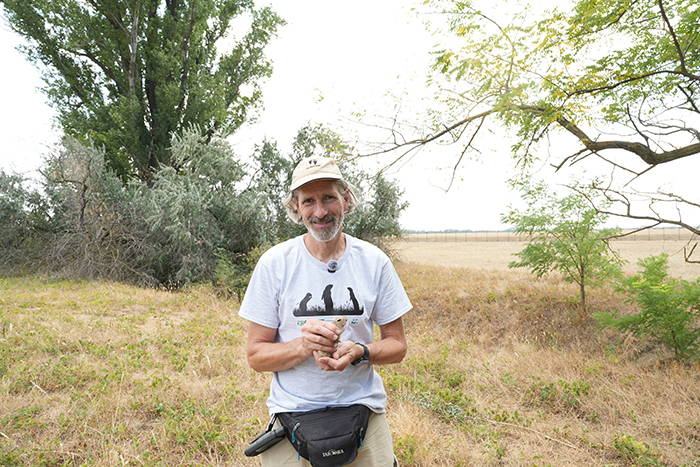
However, health screenings require us to collect samples from the individuals, a process that entails some discomfort. Just as we do not relish the prospect of blood tests or other medical screenings, ground squirrels do not exactly line up outside the veterinary clinic waiting to be examined. Consequently, we must visit the selected colonies, capture a few individuals, and collect the necessary health samples for laboratory analysis. We designed the study to involve the minimum number of individuals required, ensuring that only essential tests are performed with minimal intervention, maximum speed, and the least possible stress. First, we record the weight and the leg and head measurements of the captured ground squirrels; these data allow us to assess their physical condition and development. We obtain samples for most laboratory tests from the animals' droppings—a contribution they make on a "voluntary basis." Analysis of these droppings reveals what the animals have eaten, the health of their digestive tracts, and the presence of viruses, bacteria, or other microorganisms in their digestive systems. Saliva samples, collected using cotton swabs placed in their mouths, allow us to screen for the presence of additional viruses. Finally, by drawing a small amount of blood, we can assess their general health and immune status.

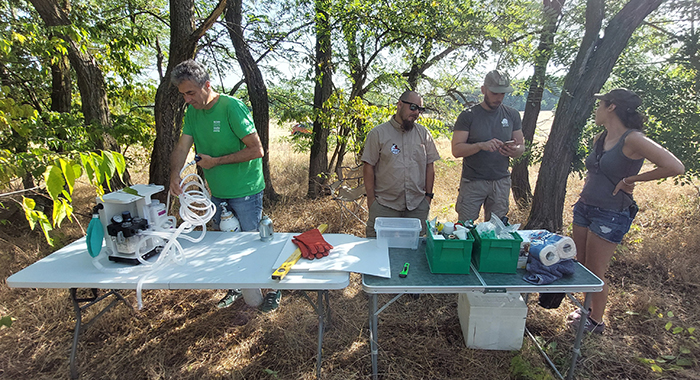
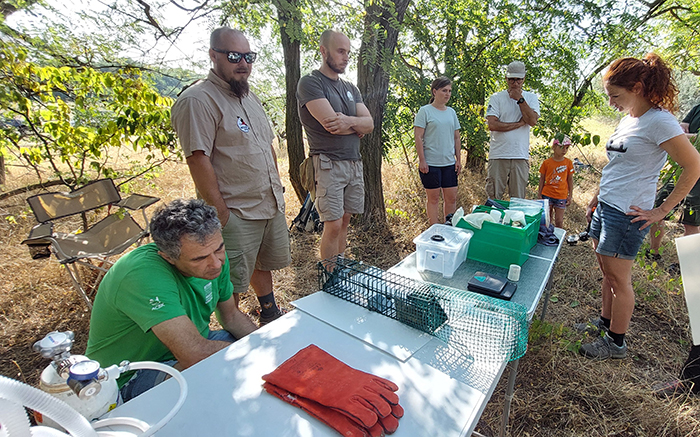
The first sampling session took place at a colony near Ecser. This occasion was particularly exciting as it served as a real-world test for our preliminary sampling strategies. Could we catch the target 10–15 ground squirrels in a single morning using brand-new traps? Would the newly captured animals cooperate and provide enough fresh droppings for the necessary analyses? How would they handle saliva sampling given their rather sharp, long incisors? Would they remain calm enough for a quick blood draw, or would anesthesia be required? How effectively could the capture and sampling team work together to ensure the squirrels were returned to their burrow systems as quickly as possible?

Fortunately, it turned out that our prior experience provided a solid foundation for a smooth operation. Most of the ground squirrels were fully cooperative, allowing samples to be collected without significant stress. Most produced the required amount of droppings; some even provided urine samples. Saliva collection also went smoothly for the most part, with only a few swabs falling victim to the squirrels' sharp teeth. The team quickly found its rhythm, with everyone efficiently performing their tasks. In instances where we couldn't obtain the necessary blood volume on the first attempt, a brief, light anesthesia usually resolved the issue. By the afternoon, only the release of the final animals and the packing up remained, while the samples were transported to the laboratory in the required refrigerated or frozen state. We were pleased to confirm that our approach worked; we will need to repeat this process approximately fifty times over the coming year to gain a comprehensive picture of the health status of the European ground squirrel population across the entire Pannon region.