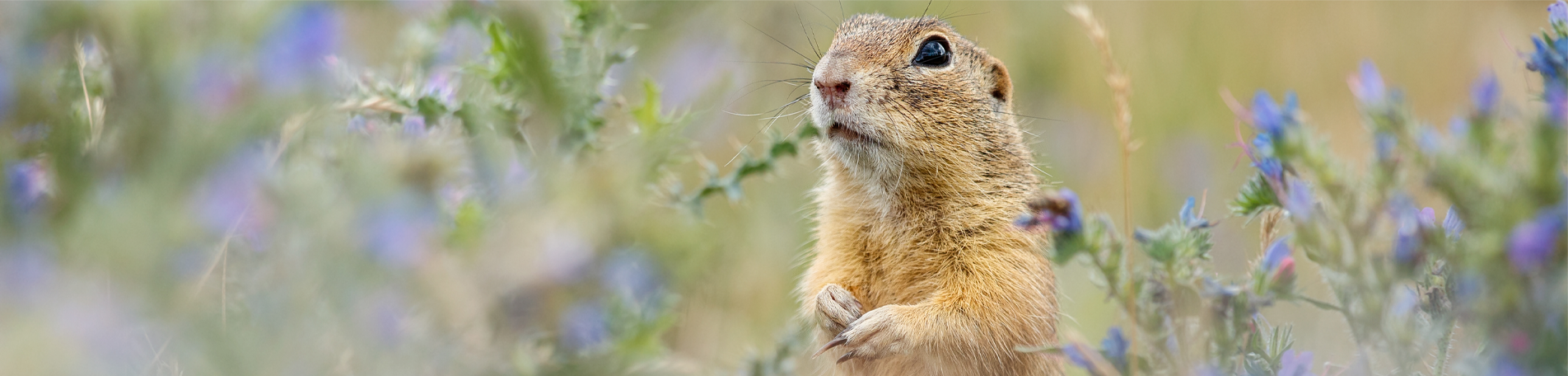
From the Airport to the Kesznyéten Landscape Protection Area – Volunteers Watched Over the Translocated European Ground Squirrels
Written by Flóra Hák and Gábor Soós (Bükk National Park Directorate)
Last December, the project entitled “Ensuring the Long-Term Viability of European Ground Squirrel Populations in the Pannonian Region” (CitellusLIFE) was launched. Its aim is the long-term conservation and strengthening of populations of the strictly protected European ground squirrel (Spermophilus citellus) living in the Pannonian region.
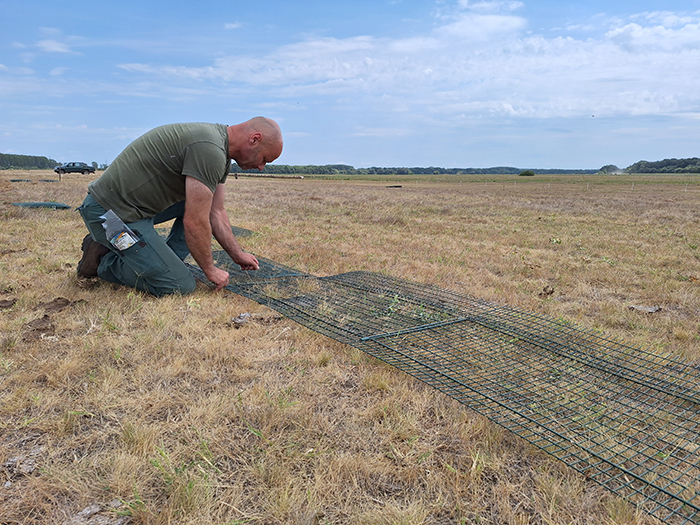
Within the operational area of the Bükk National Park Directorate, the project covers three protected areas, where we plan to reintroduce ground squirrels at a total of five sites. This year, the first reintroduction took place in the Kesznyéten Landscape Protection Area, led by the Bükk Mammal Research Group Association.

From the Airport to a Protected Pasture
The translocated ground squirrels came from the area of Ferenc Liszt International Airport, where one of Hungary’s largest ground squirrel populations has developed by now. However, the large population can also pose a risk to aviation safety, as birds of prey hunting ground squirrels may collide with aircraft, while ground squirrels themselves are also frequently killed by vehicles. Capturing and translocating the animals from this site is therefore beneficial in several ways: not only are the ground squirrels moved to a safer habitat, but they also play an important role in strengthening natural populations. Following the guidance of the authorities, only a very small proportion of the airport population—which is currently estimated at more than ten thousand individuals—was translocated. Moreover, the animals were captured from areas most exposed to the risks associated with airport traffic.


“Ground Squirrel Guardians” Watched Over the Translocated Animals
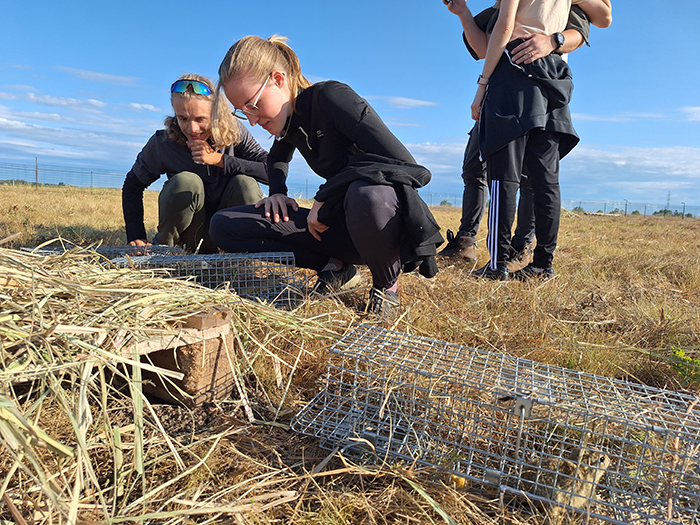
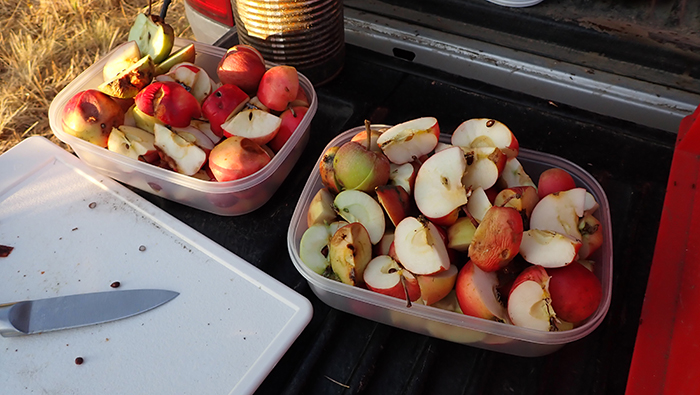
The period immediately following translocation is particularly sensitive for ground squirrels, so the animals were monitored around the clock by volunteer “ground squirrel guardians.” Their duties included observing the animals, providing supplementary food and water, and monitoring potential sources of danger and the presence of predators. The volunteer programme was announced in early spring through the communication channels of the project and the Bükk National Park Directorate.
From a scientific perspective, the ground squirrel guardians also made several valuable observations. Among other things, they noticed that during this year’s exceptionally hot summer, the ground squirrels made frequent use of the drinking stations provided for them. This is particularly interesting because these animals normally obtain the water they need from their food. The food provided for the ground squirrels—including apples and sunflower seeds—naturally attracted the attention of other animals as well. Common voles (Microtus arvalis) living in the area also readily consumed it, while the voles themselves became a favoured nighttime food source for tawny owls (Strix aluco).
Cameras also helped monitor the lives of the translocated animals. The video below, shared on the social media page of the Bükk Mammal Research Group Association, shows some interesting moments recorded by the “ÜrgeLeső” camera operating at the release site:
The Future of the Animals and Monitoring Their Population
It is important to monitor how the animals adapt to their new habitat and whether they successfully establish themselves in the area. We will continue to provide supplementary food and water for the ground squirrels, as well as regulate the populations of mammalian predators such as foxes, golden jackals and badgers. Next, in September, we will survey the number of ground squirrel burrows in the area. This will give us an indication of how the population is developing in its new habitat. The animals will then enter hibernation during September–October, so we will not see them again until spring.

But Why Do We Protect Ground Squirrels?
Until the middle of the last century, the European ground squirrel was considered an agricultural pest and was even consumed as a traditional food. However, partly due to uncontrolled persecution and largely because of changes in land use, its numbers have declined dramatically. Today, the ground squirrel is considered a globally threatened species. In Hungary, it was granted strict protection in 2012, and its legally defined conservation value is HUF 250,000 per individual.
Acknowledgements
We would like to express our sincere thanks to all our volunteers for their help and dedicated work! Their round-the-clock service, conscientious monitoring during the summer heat, and care for the animals were of outstanding importance during the first and particularly sensitive period following the translocation.
Our thanks go to Angéla Baksay, Katalin Bodnár, Diána Bukovics, Balázs Dukai, Dr Gabriella Földes-Leskó, the Korompai family, Mira Machlik, Zoltán Sipos, Dalma Tömösközy, Zoltán Varacskai and Zalán Zám!



Photos: Dr Gabriella Földes-Leskó, Flóra Hák, Ádám Sebő, Gábor Soós